
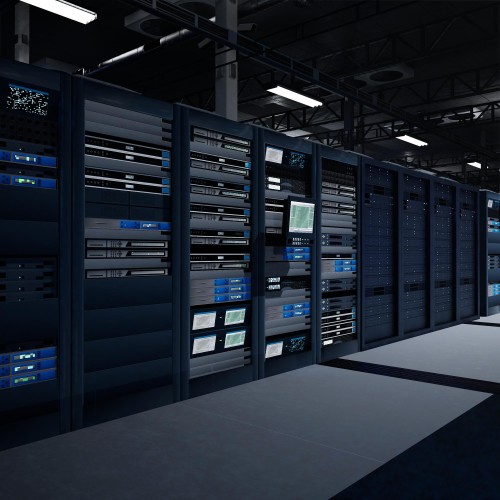
China has reclaimed the pinnacle of the global supercomputer hierarchy with its newly developed LineShine system, marking the nation’s resurgence to the forefront after a hiatus of several years. This accomplishment underscores China’s strides in cultivating indigenous computing technology. However, industry experts caution that this does not automatically imply that China has outpaced the United States in the realm of artificial intelligence capabilities.
The LineShine supercomputer, situated at the National Supercomputing Centre in Shenzhen, is powered by domestically created chips and has overtaken the previously leading US system. Nonetheless, analysts emphasize that the criteria used for traditional supercomputer rankings do not adequately capture the performance metrics relevant to contemporary AI workloads.
These rankings predominantly assess systems engineered for scientific computing tasks, whereas numerous formidable AI systems globally are constructed by major technology firms and are absent from these rankings. Experts indicate that cutting-edge AI computing is heavily reliant on specialized chips and extensive data center infrastructures, which are not encapsulated by traditional benchmarks.
China’s reinstatement at the top of the supercomputer list is perceived as a testament to its ongoing endeavors to bolster self-reliance in chip design and computing prowess. Despite this progress, China continues to face hurdles in the form of restrictions on acquiring advanced AI chips, which present significant challenges to the country’s AI development landscape.
The rivalry between China and the United States in advanced computing is intensifying, with both nations channeling substantial investments into artificial intelligence, quantum technology, and forthcoming generations of computing systems. This competition underscores the strategic importance placed on technological supremacy in the broader context of global economic and scientific leadership.