
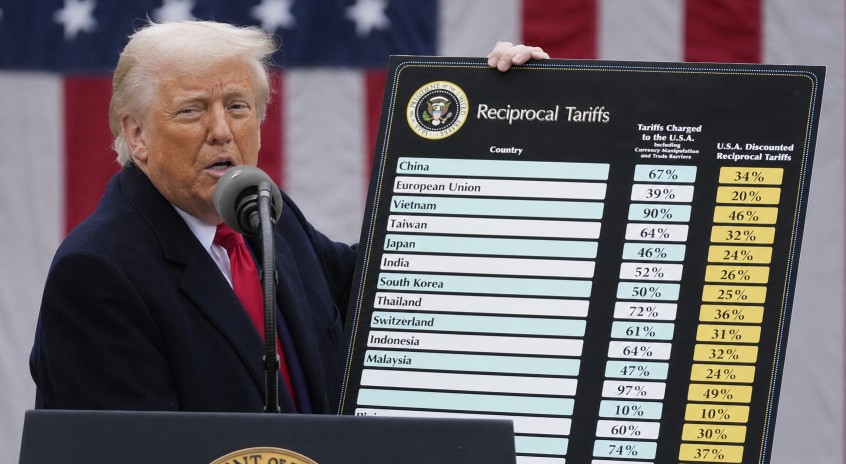
In a significant shift in U.S. trade policy, President Donald Trump has introduced new tariffs on imports from over 80 countries, substituting the expired global tariff of 10%. These fresh tariffs, ranging between 10% and 12.5%, will target imports from diverse nations such as the United Kingdom, the European Union, Canada, Mexico, Australia, India, and China. The administration justifies this move under Section 301 of the U.S. Trade Act of 1974, citing the need to combat forced labor within global supply chains. U.S. Trade Representative Jamieson Greer emphasized the expectation that trade partners would enhance their restrictions on imports associated with forced labor.
This decision comes in the wake of a U.S. Supreme Court ruling earlier this year, which cast doubt on the legality of previous tariffs enacted under emergency powers. As a result, the administration has sought a different legal basis for implementing these measures. This latest tariff announcement, however, has met with disapproval from several allied nations. Australia and Brazil have labeled the tariffs as unwarranted and have expressed intentions to lobby for their removal. The European Union has sought explanations from the U.S., with EU representatives expressing surprise at the sudden imposition of these tariffs.
Canada, already maintaining stringent controls against forced-labor imports, has argued against its inclusion in the tariff list and advocated for a collective international approach to address the issue. Concurrently, trade experts have raised concerns about whether the president possesses the constitutional authority to enforce such comprehensive tariffs without the backing of Congress. This has led some legal analysts to predict that the new tariffs could be subjected to additional judicial scrutiny.
On the domestic front, Trump’s tariff policies continue to stir political division. While the administration claims that these trade measures have bolstered the U.S. economy and safeguarded local industries, public opinion surveys reveal that a significant portion of Americans attribute rising consumer prices to these tariffs. The newly announced tariffs introduce further unpredictability to the global trade landscape, as countries evaluate their economic repercussions and deliberate on potential responses.