
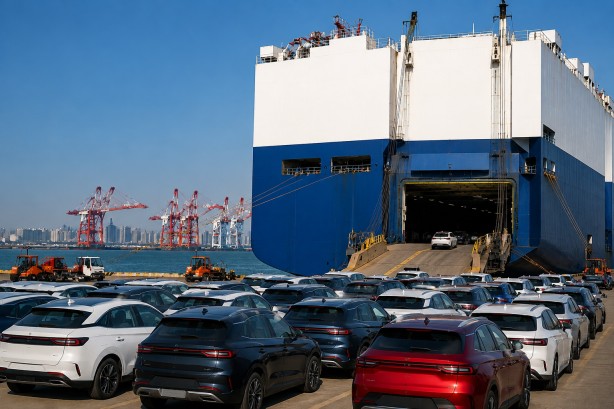
In a remarkable development, China’s automobile exports have reached a new pinnacle, with monthly shipments surpassing the 1 million mark for the first time in June. This accomplishment is part of a larger trend, as the country’s total exports saw a significant 27% increase compared to the same period last year, according to data from official customs reports. The robust growth in exports is fueling China’s ambitions to either match or exceed the previous year’s record trade surplus, a feat largely driven by the burgeoning global demand for vehicles, electronics, and cutting-edge technology produced in China.
Chinese automotive companies, such as BYD, along with other local brands, are making significant inroads into international markets, with a marked focus on Europe. The export surge includes a substantial number of electric and hybrid vehicles, intensifying competition with established European car manufacturers and exerting additional pressure on the region’s automotive sector. This expansion has contributed to a notable increase in exports to the European Union, further enlarging China’s trade surplus with the bloc. Analysts suggest that this continued export growth could potentially heighten trade tensions, as Western governments remain vigilant about the implications of China’s expanding manufacturing capabilities.
Beyond the automotive sector, China has also reported impressive export figures for integrated circuits. This is attributed to the escalating global demand for semiconductors and related technologies like artificial intelligence. The trend underscores China’s critical role in the global supply chain for advanced technology products, further cementing its status as a leading exporter on the world stage.
Economists highlight that a decline in domestic demand has prompted Chinese manufacturers to increasingly target overseas markets. This shift has reinforced China’s position as one of the foremost exporting nations globally. By leaning into international markets, Chinese manufacturers are compensating for the softer demand at home, thereby maintaining strong export figures that continue to support the country’s economic growth.